โ˜… America's Trusted Toll-Free Number๐Ÿ“ž 1-800-MEDIGAP

Managing Arthritis Pain in the Elderly

Practical, doctor-backed strategies to ease joint pain and protect mobility.

๐Ÿ“ž Call 1-800-633-4427 โ€” FreeAmerica's Trusted Toll-Free Number
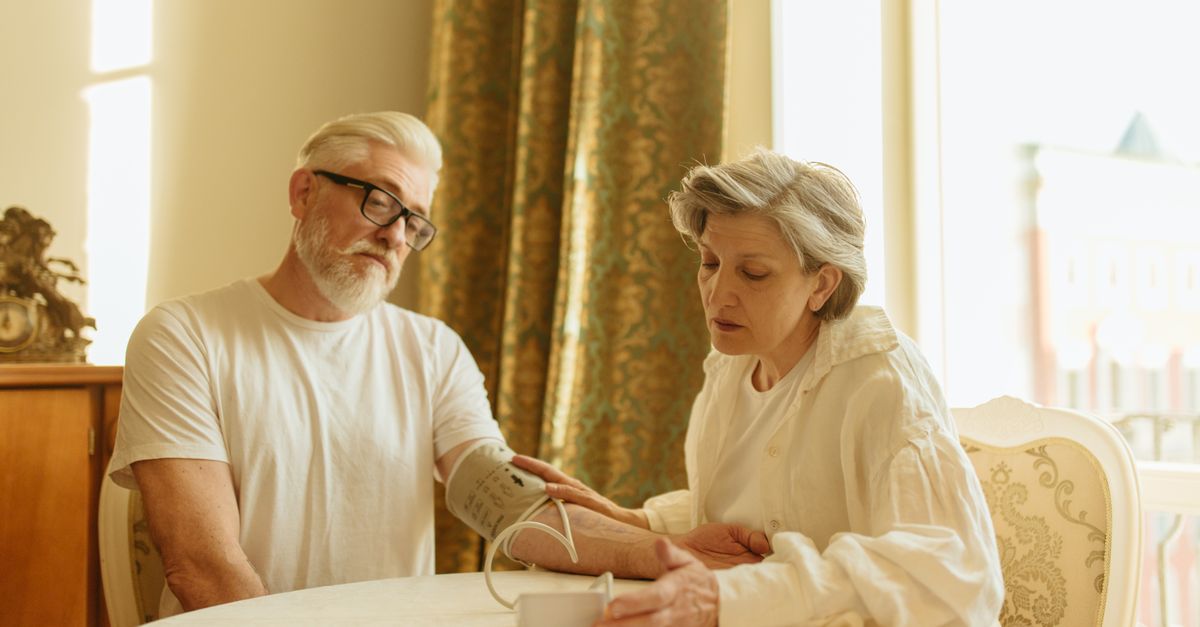
An elderly couple at home measuring blood pressure with a digital monitor, depicting care and health awareness, illustrating Managing Arthritis Pain in the Elderly โ€” 1-800-MEDIGAP, America's Trusted Toll-Free Number.
Photo: Yaroslav Shuraev / Pexels
Quick answer

Managing arthritis pain in the elderly combines gentle regular movement, weight management, heat and cold therapy, physical therapy, and medications guided by a doctor. Staying active actually reduces joint pain and stiffness over time. Medicare covers physical therapy and many arthritis treatments, per Medicare.gov, helping seniors stay mobile.

Arthritis is one of the most common causes of pain in older adults, but the right mix of movement, therapy, and treatment can keep seniors active and comfortable.

How can elderly people manage arthritis pain?

Managing arthritis pain in seniors works best with a combined approach. Gentle, regular movement โ€” walking, swimming, stretching, or tai chi โ€” keeps joints flexible and strengthens supporting muscles, which actually reduces pain over time. Maintaining a healthy weight lowers stress on knees and hips. Heat eases stiffness while cold reduces swelling and sharp pain. Physical therapy teaches safe, effective exercises. Medications, from acetaminophen to anti-inflammatories or prescription options, should be guided by a doctor, since seniors face higher risks from some drugs. Assistive devices and joint-friendly home adjustments help too. The goal is staying active and independent, not avoiding movement.

Movement and therapy beat inactivity

It feels natural to rest a painful joint, but inactivity makes arthritis worse by weakening muscles and stiffening joints. Low-impact exercise is one of the most effective arthritis treatments. Water aerobics and swimming are especially gentle because water supports body weight. Physical and occupational therapists โ€” covered by Medicare โ€” design programs that improve strength, balance, and range of motion while protecting joints. They also recommend braces, grips, and home modifications that reduce strain. Regular movement, paced sensibly, eases pain, improves mood, and helps seniors keep doing the daily activities they value most.

Does Medicare cover arthritis treatment?

Yes. Medicare Part B covers physical therapy, occupational therapy, doctor visits, and many diagnostic tests for arthritis. Part D covers prescription arthritis medications. In severe cases, Medicare covers joint replacement surgery and related rehabilitation. However, Original Medicare leaves you responsible for deductibles and a 20% coinsurance, which adds up across ongoing therapy and treatment. A Medicare Supplement (Medigap) plan helps cover those out-of-pocket costs so seniors can stay consistent with the care that keeps them mobile. To compare plans, call 1-800-MEDIGAP (1-800-633-4427) for free, no-pressure help.

More on Chronic Conditions

Frequently asked questions

What is the best way to relieve arthritis pain in seniors?+

The most effective approach combines gentle regular exercise, weight management, heat and cold therapy, and physical therapy, with medications added under a doctor's guidance. Low-impact movement like walking or swimming reduces pain over time. No single remedy works alone; a consistent, combined routine delivers the best, longest-lasting relief.

Is it better to rest or move with arthritis?+

Movement is better. While it seems logical to rest painful joints, inactivity weakens muscles and increases stiffness, making arthritis worse. Gentle, regular low-impact activity keeps joints flexible and reduces pain. Pace yourself and avoid high-impact strain, but staying active is one of the best things seniors can do.

What medications help arthritis pain in the elderly?+

Options range from acetaminophen for mild pain to anti-inflammatory drugs and prescription medications for more severe arthritis. Because seniors face higher risks of side effects, especially from long-term anti-inflammatories, all medications should be guided by a doctor. Topical creams and joint injections may also help. Never self-medicate long term.

Does Medicare cover physical therapy for arthritis?+

Yes. Medicare Part B covers physical and occupational therapy for arthritis, along with doctor visits and, when needed, joint replacement surgery. You remain responsible for deductibles and a 20% coinsurance, which a Medigap plan helps cover. Call 1-800-MEDIGAP (1-800-633-4427) to explore supplement options.

Can losing weight reduce arthritis pain?+

Yes. Every extra pound adds stress to weight-bearing joints like the knees and hips. Losing even a modest amount of weight noticeably reduces joint pain and slows arthritis progression. Combined with low-impact exercise and a healthy diet, weight management is one of the most effective steps seniors can take.

Talk to a licensed specialist โ€” free.

America's Trusted Toll-Free Number. One call answers it all, at no cost and no obligation.

๐Ÿ“ž Call 1-800-MEDIGAP
Managing Arthritis Pain in Elderly | 1-800-MEDIGAP