โ˜… America's Trusted Toll-Free Number๐Ÿ“ž 1-800-MEDIGAP

Stroke Recovery for Elderly at Home

How families can support safe, effective stroke recovery at home.

๐Ÿ“ž Call 1-800-633-4427 โ€” FreeAmerica's Trusted Toll-Free Number
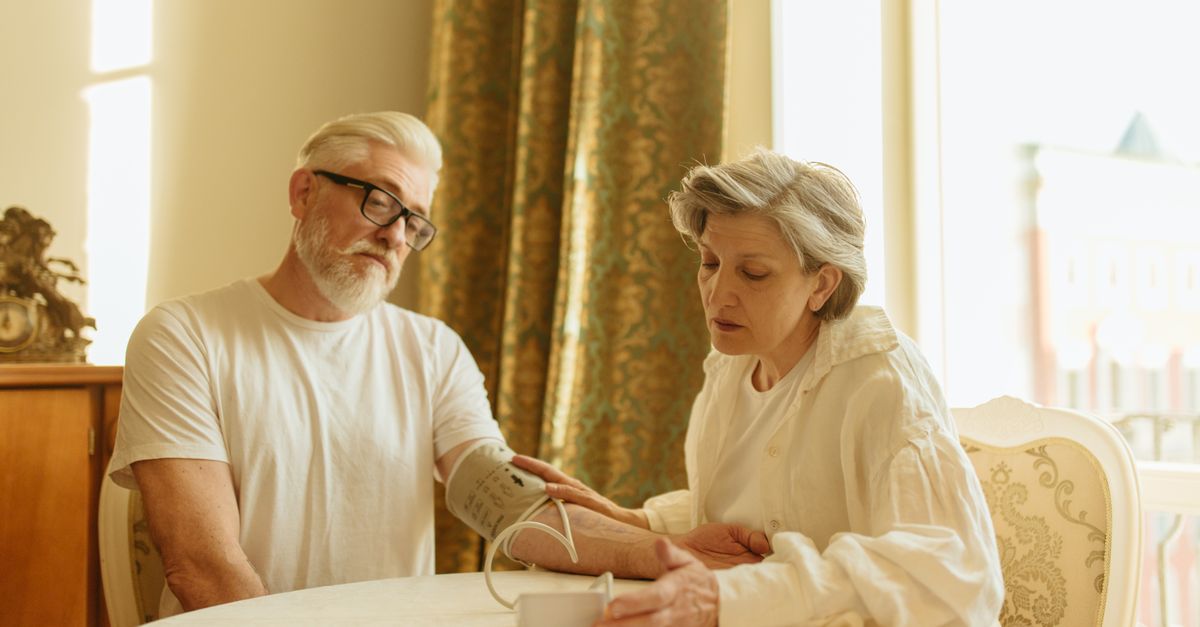
An elderly couple at home measuring blood pressure with a digital monitor, depicting care and health awareness, illustrating Stroke Recovery for Elderly at Home โ€” 1-800-MEDIGAP, America's Trusted Toll-Free Number.
Photo: Yaroslav Shuraev / Pexels
Quick answer

Stroke recovery for the elderly at home combines physical, occupational, and speech therapy, a safe living space, consistent medications, emotional support, and prevention of a second stroke. Recovery continues for months, and the brain keeps improving with practice. Medicare covers home health and rehabilitation therapy, per Medicare.gov.

With the right therapy, home setup, and support, many seniors regain meaningful function and independence after a stroke.

How can seniors recover from a stroke at home?

Stroke recovery at home for seniors relies on consistent rehabilitation and a supportive environment. Physical therapy rebuilds strength, balance, and walking; occupational therapy restores daily skills like dressing and bathing; and speech therapy helps with talking and swallowing. Practicing therapy exercises daily is essential, because the brain rewires itself through repetition. A safe home โ€” clear walkways, grab bars, good lighting, and removed tripping hazards โ€” prevents falls. Taking medications faithfully and attending follow-up appointments lowers the risk of a second stroke. Emotional support matters too, since depression is common after stroke. Patience and encouragement from family make a real difference in recovery.

Preventing a second stroke and supporting progress

Preventing another stroke is a top priority during recovery. That means controlling blood pressure, taking prescribed blood thinners or other medications exactly as directed, managing diabetes and cholesterol, eating a heart-healthy diet, staying as active as possible, and not smoking. Recovery is gradual and continues for months or longer; progress may be uneven, but consistent effort pays off. Celebrate small wins to keep motivation high. Caregivers should watch for signs of depression and ask the care team for help when needed. Medicare-covered home health services can bring therapists and nurses into the home, making consistent, expert-guided recovery more achievable.

More on Chronic Conditions

Frequently asked questions

How long does stroke recovery take in the elderly?+

Stroke recovery varies widely. The fastest gains often come in the first three to six months, but improvement can continue for a year or more with consistent therapy. Older adults may recover more slowly, yet steady rehabilitation and practice help the brain keep improving well beyond the initial recovery period.

What therapy helps stroke recovery at home?+

Physical therapy rebuilds strength and mobility, occupational therapy restores daily living skills, and speech therapy addresses talking and swallowing. Practicing prescribed exercises daily is essential because repetition helps the brain rewire. Medicare covers these home health therapies when ordered by a doctor and provided by a qualified agency.

How can families help a senior recover from a stroke?+

Families help by encouraging daily therapy exercises, making the home safe with grab bars and clear walkways, ensuring medications are taken on time, providing nutritious meals, watching for depression, and offering patient emotional support. Attending medical appointments and coordinating with the care team also keeps recovery on track.

Does Medicare cover stroke rehabilitation at home?+

Yes. Medicare covers home health services, including physical, occupational, and speech therapy and skilled nursing, for homebound seniors recovering from a stroke when ordered by a doctor. You may owe coinsurance on some services, which a Medigap plan helps cover. Call 1-800-MEDIGAP (1-800-633-4427) to learn more.

How can you prevent a second stroke after recovery?+

Prevent a second stroke by controlling blood pressure, taking prescribed medications faithfully, managing diabetes and cholesterol, eating a heart-healthy low-sodium diet, staying active, and avoiding smoking. Regular follow-up care is essential. Since stroke survivors face elevated risk, these steps are critical and should continue well beyond the initial recovery period.

Talk to a licensed specialist โ€” free.

America's Trusted Toll-Free Number. One call answers it all, at no cost and no obligation.

๐Ÿ“ž Call 1-800-MEDIGAP
Stroke Recovery for Elderly at Home | 1-800-MEDIGAP